
If you are considering a having a new boiler installed in Hereford, you are probably wondering what the process actually involves. Will you be without heating for days? Does the floor need lifting? How disruptive is it really?
At some point most homeowners face replacing an ageing boiler or upgrading to something more efficient. If you are looking into your options, this guide will walk you through the full new boiler installation process so you know exactly what to expect from start to finish.
Here is how it usually works in homes across Hereford and the surrounding villages.
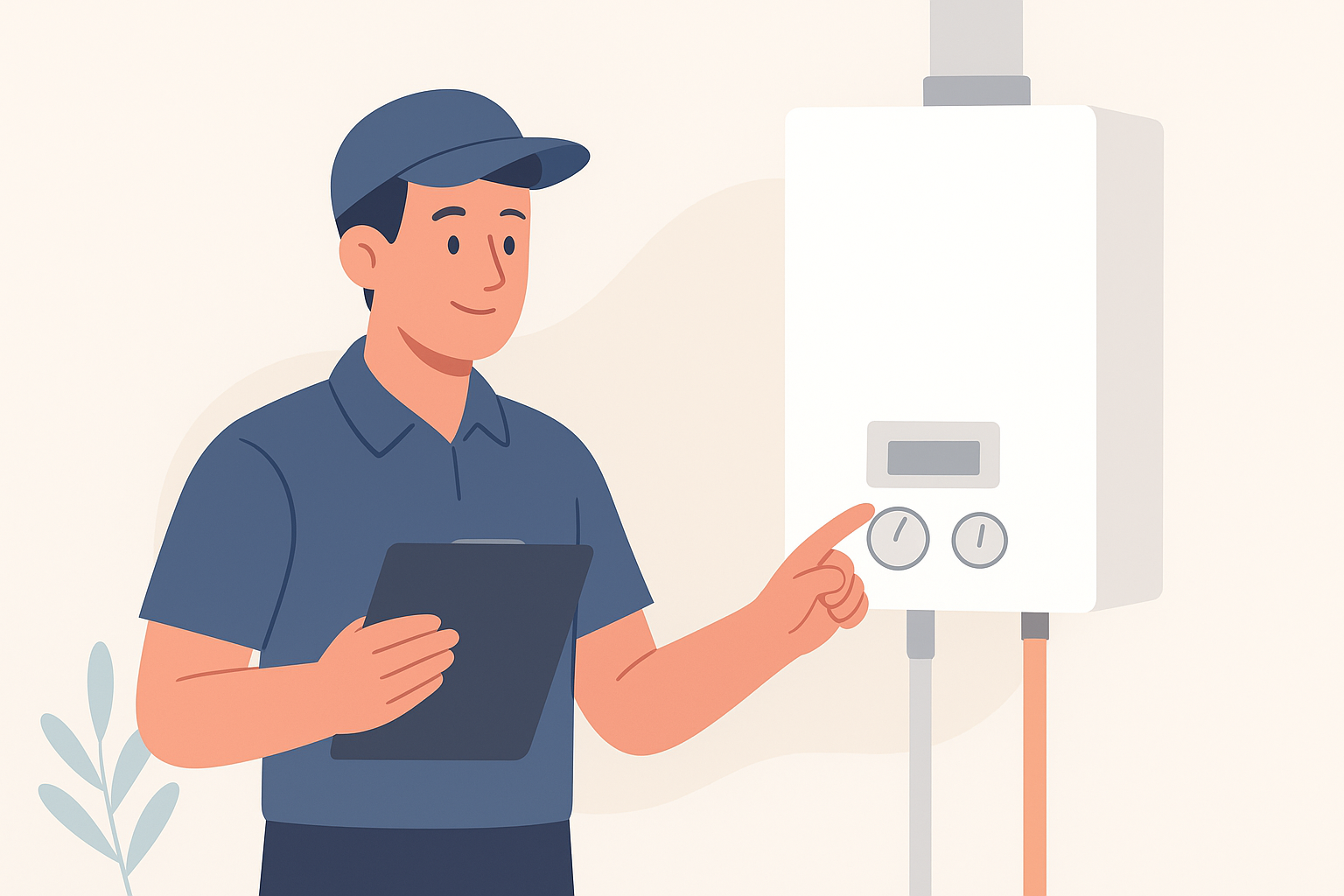
Initial home survey and quote
The first step is always a proper survey. Any decent heating engineer will want to see your current setup before recommending anything.
During this visit we look at:
- The type and age of your existing boiler
- The condition of pipework and radiators
- Your water pressure and gas supply
- How many bathrooms and radiators you have
- Where the flue runs and whether it meets current regulations
Homeowners often ask if they really need a survey. The short answer is yes. Two houses on the same street in Hereford can have completely different systems depending on past alterations and extensions. A quick look online is not enough to give accurate boiler upgrade advice.
After the survey you will receive a clear quote outlining what is included, the work required and the timescale.
Choosing the right boiler
Once the survey is done, the next job is selecting the right boiler for your home.
The most common option these days is a combi boiler. Combi boilers are popular because they provide hot water on demand and remove the need for a separate tank in the loft. That frees up space and simplifies the system.
However, not every property suits a combi. Larger homes with multiple bathrooms sometimes benefit from a system boiler with a hot water cylinder. This is where experienced heating engineers in Hereford can give proper, tailored advice rather than a one size fits all answer.
We also look at efficiency ratings, warranty length and future servicing requirements. If you plan to stay in your home for many years, that long term thinking is important.
Pre-installation preparation
Before installation day, there are usually a few practical preparations.
You might be asked to clear space around the existing boiler, move items out of the airing cupboard or kitchen cupboard and ensure access to the loft if needed. If the boiler is being relocated, for example from a bedroom to the kitchen or garage, pipe routes are planned in advance.
A power flush or system clean may also be recommended before fitting the new unit. Sludge in older radiators is very common in Hereford’s older properties and leaving it in the system can shorten the life of a brand new boiler. You can read more about ongoing maintenance and fault finding on the service and repairs page.
Removal of old boiler
On installation day, the heating and hot water are turned off and the system is drained down. This is the slightly inconvenient part but it is necessary.
The old boiler is disconnected from the gas, water and electrics. It is then safely removed and taken away for proper disposal. Modern regulations require careful handling of flues and condensate pipes, so this is not simply a case of swapping one box for another.
In many homes the old unit is much heavier than people expect. Some of the older cast iron models can be awkward to manoeuvre down tight stairs. Protecting carpets and keeping things tidy is part of the job.
Installing the new system
This is where the main boiler fitting steps UK homeowners are curious about take place.
The new boiler is mounted securely, whether on a kitchen wall, in a utility room or in the loft. Pipework is connected and upgraded if necessary. New isolation valves are usually fitted to make future maintenance easier.
If the flue position needs altering to meet current standards, that work is completed at this stage. In some of the older terraces around Hereford city centre we often need to adjust flue positioning to ensure it complies with the latest safety distances from windows and boundaries.
A magnetic filter is typically added to protect the system from sludge. The condensate pipe is installed with proper fall and insulation, particularly important in colder rural spots where freezing can be an issue during winter.
For most straightforward swaps, installation takes one to two days. More complex relocations can take longer depending on the layout of the property.
System testing and safety checks
Once the boiler is physically installed, it is not simply switched on and left.
The system is refilled and carefully pressurised. Radiators are bled and balanced to ensure even heat distribution. Gas tightness tests are carried out. The flue is checked. Controls are configured correctly.
This stage is crucial in the new boiler installation process. Proper commissioning ensures the boiler runs efficiently and safely from day one. All relevant paperwork, including Benchmark certification and Gas Safe documentation, is completed.
Demonstration and handover
Before leaving, your engineer should take time to explain how everything works.
You will be shown:
- How to adjust the thermostat and timer
- How to top up system pressure if needed
- What normal operating sounds are
- What to do if you see a fault code
This is often when homeowners ask practical questions like how long to leave the heating on in winter or the best temperature setting for efficiency. There are no silly questions at this point. Understanding what happens when installing a boiler includes knowing how to live with it afterwards.
Aftercare and maintenance advice
A new boiler is not a fit and forget appliance. Annual servicing keeps it running safely and protects the warranty.
Most manufacturers require a yearly service carried out by qualified heating engineers in Hereford or your local area. This includes checking components, cleaning parts where necessary and ensuring safe combustion readings.
You will also receive advice on keeping radiators bled, monitoring pressure and spotting early warning signs. Small issues caught early are much easier to deal with than emergency breakdowns in the middle of January.
Conclusion
Having a new boiler installed is a significant job but when handled professionally it should be straightforward and well organised. From the initial survey through to final handover, each stage of the boiler fitting steps UK regulations require is designed to ensure your home is safe, efficient and comfortable.
If you are based in Hereford, Leominster, Ledbury, Ross on Wye or Bromyard and are considering an upgrade, it helps to speak to a local team who understand the types of properties in the area. Flowtech Plumbing & Heating Solutions works with homeowners across these areas, providing clear advice and a professional installation from start to finish.
Contact Flowtech Plumbing & Heating Solutions for a free boiler installation quote